First-Time Homebuyer Tips: Mastering the Mortgage Process
TL
Understanding Your Mortgage Options
Embarking on the journey to homeownership is exciting yet can be overwhelming, especially when it comes to securing a mortgage. Understanding the various mortgage options available is crucial for first-time homebuyers. The most common types include fixed-rate, adjustable-rate, and government-backed loans such as FHA, VA, and USDA loans. Each has unique features that cater to different financial situations.
Fixed-rate mortgages provide stability with consistent payments over time, while adjustable-rate mortgages offer lower initial rates that may fluctuate. Government-backed loans often require lower down payments, making them an attractive option for those with limited funds.

Getting Pre-Approved
Before you start house hunting, it's essential to get pre-approved for a mortgage. This process involves a lender reviewing your financial situation to determine how much money you can borrow. A pre-approval letter not only strengthens your offer but also helps you set a realistic budget.
To get pre-approved, gather documents such as pay stubs, tax returns, and bank statements. Be prepared to discuss your credit score and any outstanding debts. A higher credit score can lead to better interest rates, so it's wise to check your score and address any issues before applying.
Understanding Interest Rates and Terms
Interest rates play a significant role in determining the overall cost of your mortgage. Rates can vary significantly between lenders, so it's beneficial to shop around. Consider the loan term as well; a 30-year term offers lower monthly payments, while a 15-year term can save you money on interest over time.
It's essential to understand the differences between interest rate, annual percentage rate (APR), and how they affect your monthly payments. The APR includes both the interest rate and other fees, providing a more comprehensive view of the loan's cost.

Saving for a Down Payment
One of the biggest hurdles for first-time homebuyers is saving for a down payment. Traditional loans typically require 20% down, but many options are available with lower requirements. Setting a savings goal and timeline can help you accumulate the necessary funds.
Consider setting up a dedicated savings account and automating deposits. Take advantage of any employer-sponsored savings programs or grants available for first-time buyers. Every little bit helps in reaching your goal.
Closing Costs and Additional Expenses
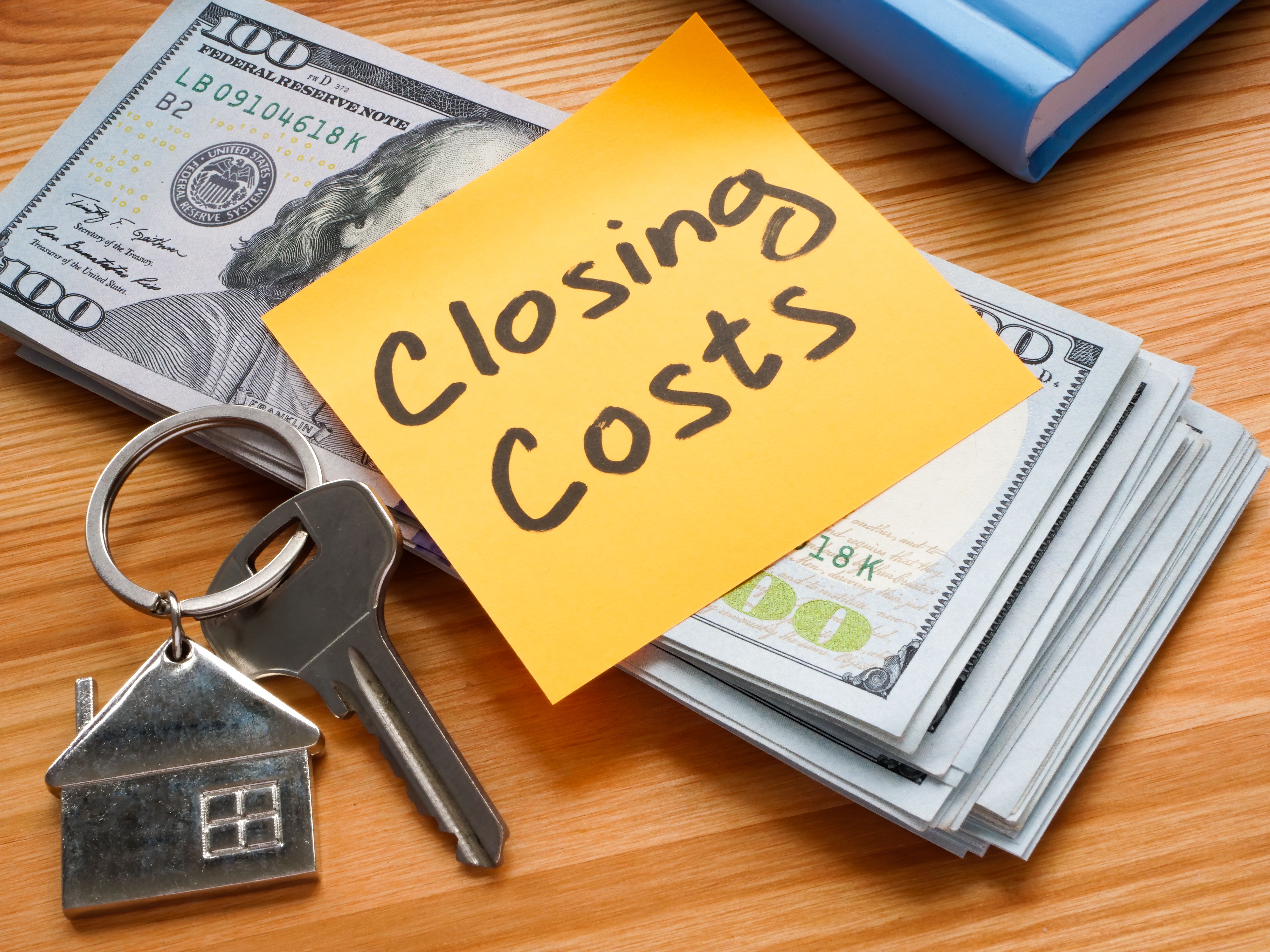
Beyond the down payment, be prepared for closing costs, which can range from 2% to 5% of the home's purchase price. These fees cover various services such as appraisal, title insurance, and home inspection.
Additionally, factor in moving expenses, potential repairs, and new furnishings. Creating a comprehensive budget ensures you're financially prepared for all aspects of homeownership.
Working with a Mortgage Professional
Navigating the mortgage process can be complex, so working with a knowledgeable mortgage professional can be invaluable. They can guide you through the options, help you understand the terms, and ensure you're getting the best deal possible.
Don't hesitate to ask questions and seek clarification on any part of the process. A good mortgage broker or lender will be transparent and supportive, helping you feel confident in your decisions.
Final Thoughts
Mastering the mortgage process as a first-time homebuyer involves understanding your options, getting pre-approved, comparing interest rates, saving for a down payment, and preparing for additional costs. With careful planning and guidance, you can navigate this journey successfully and step into your new home with confidence.