
How to Prepare Your Finances for a Mortgage: Expert Tips
TL
Embarking on the journey to homeownership is both exciting and challenging. One of the most critical steps in this process is preparing your finances for a mortgage. By taking the right steps early on, you can improve your chances of getting approved and securing favorable terms.
Understand Your Financial Situation
The first step to preparing your finances is to understand your current financial situation. Start by reviewing your credit report and credit score. A higher credit score can lead to better mortgage rates, so it's important to know where you stand. You can obtain a free credit report annually from major credit bureaus.
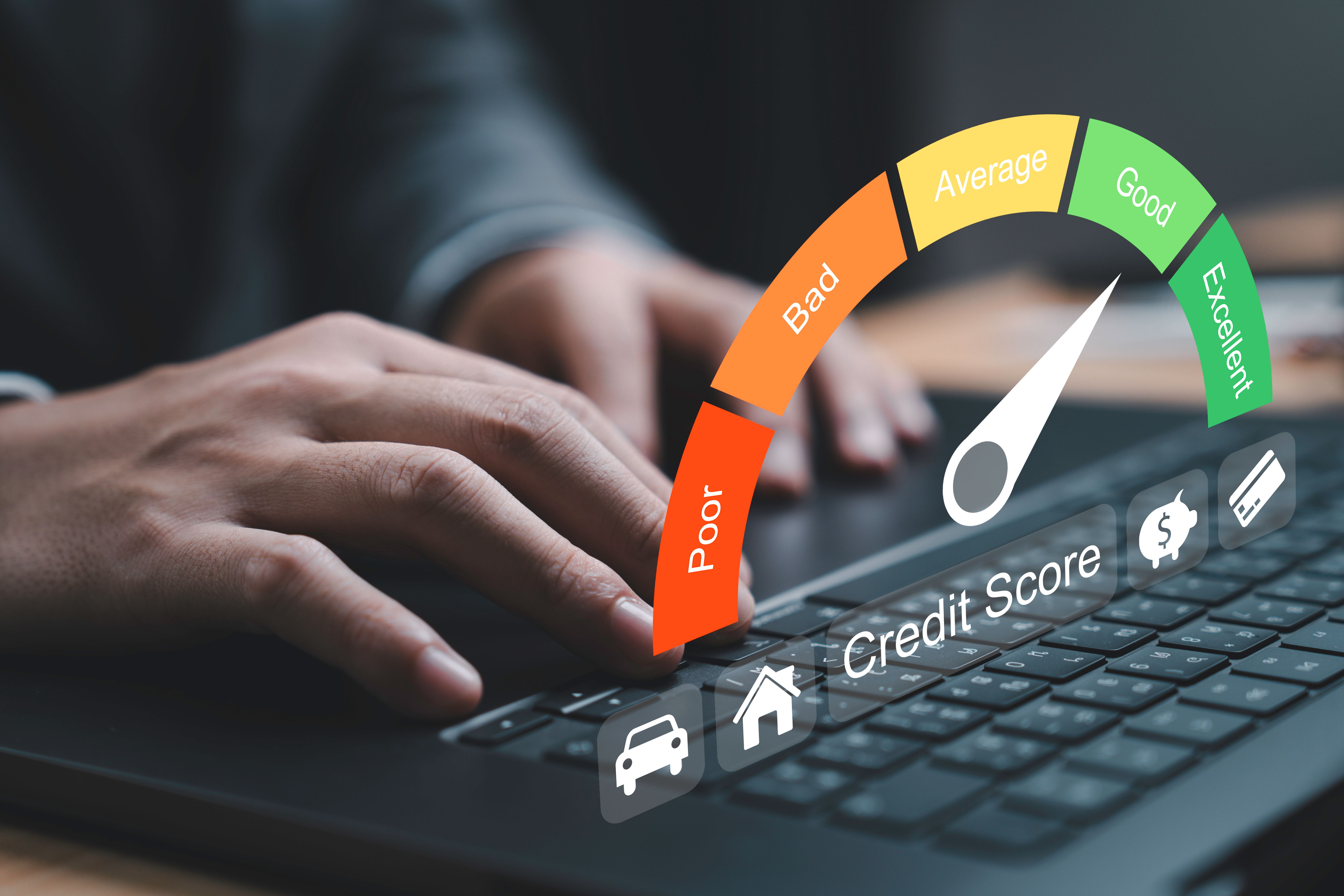
In addition to your credit score, assess your income, expenses, and debts. Calculate your debt-to-income ratio (DTI) by dividing your total monthly debt payments by your gross monthly income. Lenders typically prefer a DTI of 43% or lower.
Save for a Down Payment
Saving for a down payment is a crucial part of preparing for a mortgage. The amount you'll need depends on the type of mortgage and the lender's requirements. Generally, aim for a down payment of at least 20% to avoid private mortgage insurance (PMI).
To build your down payment fund, consider setting up a dedicated savings account. Automate monthly contributions to ensure consistent savings. Cutting unnecessary expenses and increasing your income can also accelerate your savings.

Explore Assistance Programs
Many states and local governments offer down payment assistance programs for first-time homebuyers. Research these options to see if you qualify. These programs can significantly reduce the amount you need to save.
Get Pre-Approved for a Mortgage
Once your finances are in order, seek pre-approval from a lender. This process involves evaluating your creditworthiness and determining the maximum loan amount you qualify for. A pre-approval letter can strengthen your offer when you're ready to buy a home.
During pre-approval, be prepared to provide documentation such as tax returns, pay stubs, and bank statements. This information helps the lender assess your financial health and ability to repay the loan.
Maintain Financial Stability
It's essential to maintain financial stability throughout the mortgage process. Avoid making large purchases or taking on new debt, as these actions can affect your credit score and DTI. Ensure timely payments on existing debts to keep your credit score healthy.
By carefully preparing your finances, you can navigate the mortgage process with confidence and move one step closer to owning your dream home. Remember, the effort you invest now will pay off in the long run.